

Sour candy rankings are usually somebody's opinion in a numbered list. This
one is organised around the thing that actually varies: which acid is used,
and where it sits on the sweet.
Once you know that, you can predict how sour something will be before you eat
it, and the tiers stop being arbitrary.
The three acids, and how each one behaves
Citric acid — the workhorse. Sharp, fast, fruit-associated, and it fades
quickly. Most everyday sour candy is citric. The sourness arrives immediately
and is largely gone within seconds.
Malic acid — the intense one. Found naturally in green apples. Slower to
arrive and considerably slower to leave, so it builds. Sustained-sour candies
lean on malic, and it is what people mean when they say something "keeps
getting more sour."
Tartaric acid — sharper still and less common, with a drier, more
astringent character. Used where a clean, hard bite is wanted.
Blends are normal. A candy that hits hard and lingers is usually citric for
the opening and malic for the tail.
Surface coating versus baked-in
This matters as much as the acid choice.
Coated — loose acid crystals on the outside. Maximum initial impact,
because the acid meets your tongue undiluted before any sugar does. Also the
first thing to disappear: lick a coated sour and you have removed most of its
sourness.
Incorporated — acid mixed through the body. Milder at first, far more
sustained, and it survives being handled or sitting in a bowl.
Almost every "that was less sour than I expected" experience is a coated candy
that lost its coating in the bag.
The tiers
Tier 1 — Sharp. Coated, citric-led. A bright hit that resolves fast into
sweetness. This is where most sour belts and sour gummies sit
(explore our sour & tangy flavor collection), and it is the
tier that is genuinely pleasant to eat by the handful.
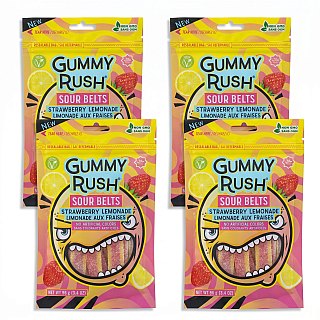
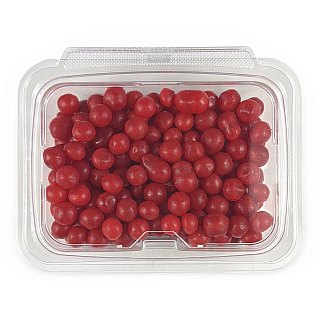
Tier 2 — Sustained. Incorporated acid, often malic-influenced. Less
dramatic at the start; still going a minute later. Hard sour candies live
here, because a hard candy dissolves slowly and releases acid the whole time.
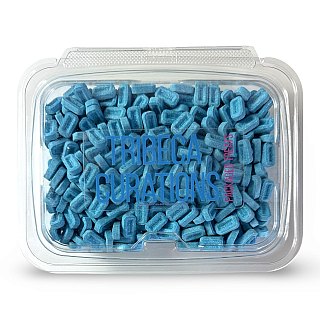
Tier 3 — Sour-adjacent. Fruit tablets and compressed candies with a sour
note rather than a sour attack. Pez sour tablets are the ones people are surprised to
find in a sour list, and they earn a place because the acid is genuinely
there — just balanced rather than foregrounded.
Why your tolerance changes during a session
Two real effects, and they pull in opposite directions:
Adaptation. Sustained acid exposure dulls the response. The fourth
sour sweet genuinely tastes less sour than the first.
Irritation. Acid is mildly abrasive to soft tissue. Eat enough
strongly coated sour candy and your tongue will tell you about it for a day.
This is a real and well-known effect, not a myth, and it is the reason to
treat the extreme end as an occasional thing rather than a habit.
If you are running an actual tasting, work from mildest to sharpest, water in
between, and stop when adaptation sets in — anything after that point is not
being judged fairly.
Buying for someone who likes sour
The most common mistake is assuming they want maximum intensity. Most people
who say they love sour candy mean Tier 1: bright, sharp, moreish, eaten in
quantity.
Tier 2 and the extreme end are a different hobby — closer to a dare than a
snack. Buy those deliberately, not as a compliment.
Featured Products in This Article
Taste the snacks discussed above, shipped fast directly from our NY warehouse!
Classic Fruit Sours Candy Drops 1 lb Tub | Cherry
Gummy Rush Sour Belts, 3.4oz Bag, Non GMO, Real Fruit Juice, No Artificial Colors, Top 6 Allergen Free | Strawberry Lemonade


