

Most people buy snacks reactively — something runs out, something gets
replaced, and the cupboard slowly fills with three half-finished bags nobody
wants. A rotation fixes that, and sixty days is about the right cycle: long
enough that nothing repeats until you have forgotten it, short enough that
you finish things before they stale.
Here is how to build one.
Why sixty days
Two practical reasons.
Flavour fatigue runs about three weeks. Buy the same snack weekly and by
week four it stops registering as a treat. Push the same item out to a
two-month gap and it lands like a new purchase again.
Most sealed snacks keep comfortably past two months. Wrapped candy,
crackers, sealed baked goods — none of these are near their limit at eight
weeks. Chocolate and anything with a soft filling are the exceptions and
should sit in shorter cycles.
The four slots
Rather than plan sixty days of items, plan four running slots and rotate what
sits in each. It is far less work and it self-corrects.
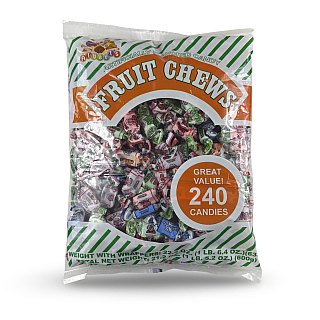
Slot 1 — the everyday. High volume, low ceremony. Wrapped chews, hard
candy, anything that lives in a bowl or a drawer and gets eaten without
thought. This slot should be the cheapest per portion and the longest-keeping.
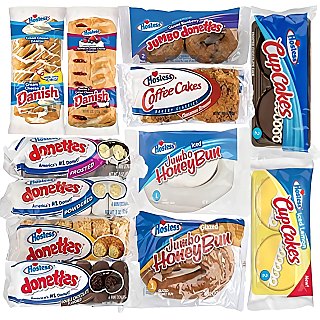
Slot 2 — the breakfast-adjacent. Snack cakes, pastries, anything eaten
before eleven. Shorter shelf life than slot 1, so buy smaller quantities more
often.
Slot 3 — the savoury. Chips, crackers, extruded snacks. This is the slot
people forget to plan and then buy in a hurry, which is why it is usually the
one full of things nobody chose deliberately.
Slot 4 — the occasion. Something bought for a specific event and not
replaced until the next one. Gift boxes, variety packs, anything you would
put out for guests.
A worked rotation
Eight weeks, one purchase decision a fortnight rather than four a week:
Weeks 1–2: wrapped chews in slot 1, snack cake variety in slot 2,
kettle chips in slot 3.
Weeks 3–4: swap slot 1 to something with a different texture — hard
candy or gum. Keep slot 3; it lasts.
Weeks 5–6: slot 2 moves to pastries, slot 3 moves to a different chip
style entirely rather than a different flavour of the same one.
Weeks 7–8: slot 4 comes into play if there is an occasion; otherwise
return slot 1 to where it started, which by now feels new again.
The discipline is only this: do not refill a slot until it is empty. That
single rule is what prevents the cupboard of half-bags.
Buying for a rotation rather than for a week
Rotations reward buying in the format that keeps, not the format that is
cheapest per ounce today.
Individually wrapped items are the backbone, because a half-used box is still
in good condition eight weeks later:
Variety packs earn their place in slot 2 and slot 4, where the point is
covering several preferences without opening four things:
The mistakes this is designed to prevent
Buying the same thing weekly until nobody wants it.
Buying large formats of perishable items because the unit price looked
better, then throwing a third away.
Never buying anything savoury deliberately, and so always having the
wrong thing when someone wants crisps.
Restocking before things are finished, which is how a cupboard ends up
with four opened bags and nothing appealing in it.
None of that requires a spreadsheet. It requires the slots and the one rule.
Featured Products in This Article
Taste the snacks discussed above, shipped fast directly from our NY warehouse!


