

Two of the most assertive flavours in the chip aisle, and they work in
completely different ways. One is an acid, one is a capsaicin heat, and they
behave differently in the mouth, over a handful, and alongside a drink.
(We covered what "kettle cooked" actually means separately — this is purely
about the two flavours.)
Sea salt and vinegar: an acid, not a flavour
The sharpness is acetic acid, usually applied as a dried powder so it survives
on the chip. It hits the sides of the tongue immediately and then clears fast.
Three consequences:
It builds, then stops. Acid is not cumulative in the way heat is. The
tenth chip is about as sharp as the first, which is why a bag disappears
quickly.
It makes you salivate, which makes the chips feel less greasy than they
are. This is a real and slightly sneaky effect.
It clears the palate. Vinegar chips reset your mouth, which is why they
work well alongside rich food and badly alongside anything delicate.
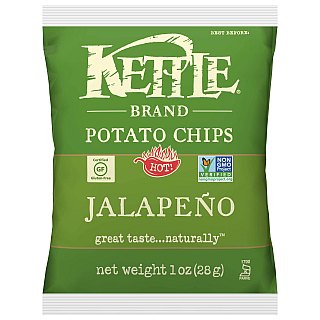
Jalapeño: a heat that accumulates
Capsaicin does not dissolve in water and it does not clear between chips. It
binds to receptors and stays there, so intensity climbs across a handful even
though each chip carries the same amount.
That is why people misjudge it. Chip three is pleasant; chip fifteen is a
different experience entirely, and nothing about the bag warned you.
It also lingers after you stop, which shapes everything you eat or drink
next.
Which one for what
Sea salt and vinegar — alongside rich or fatty food, with beer, on a board
where people are also eating cheese or sweet things. Its palate-clearing
property is the useful bit.
Avoid it with wine and with chocolate. Acid on acid is unpleasant, and acid
against cocoa is worse.
Jalapeño — on its own, or with something cooling and fatty. Dairy actually
does help: casein in milk binds capsaicin in a way water cannot, so the folk
remedy is correct.
Avoid it early on a snack board. Once heat is in the room, everything eaten
afterwards is judged against it.
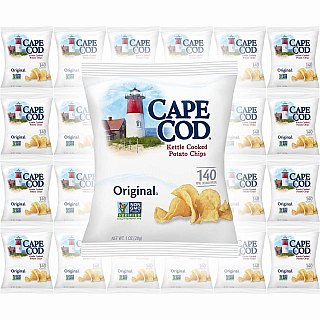
For the plain reference point — useful for telling how much is the flavour and
how much is the chip:
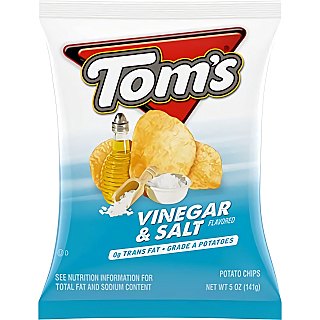
And a third, for anyone who thinks vinegar chips are all the same:
Why a denser chip changes both
On a kettle-cooked chip, both flavours arrive slightly later and last longer,
because there is more chip to get through before the seasoning is gone.
For vinegar that is mostly good — a longer sour phase. For jalapeño it means
the heat is more sustained per chip, which compounds the accumulation problem.
A jalapeño kettle chip is meaningfully hotter over a handful than the same
seasoning on a thin chip, and people consistently underestimate this.
Serving both
If you are putting out one bowl, vinegar. It suits more people, it does not
escalate, and it works with more of what else is on the table.
If you are putting out both, keep them apart and put something plain between
them. Otherwise the heat migrates onto the vinegar chips by way of fingers,
and you lose both flavours at once.
Featured Products in This Article
Taste the snacks discussed above, shipped fast directly from our NY warehouse!


