

Mints are the one confectionery category people buy for a job rather than for
pleasure, and the aisle is full of products that do the job to different
degrees. Here is what actually distinguishes them.
Cooling is not flavour
The cold sensation in a mint is not taste at all. Menthol activates the same
receptor that responds to actual cold, so your mouth reports a temperature
drop that is not happening.
That is why a mint can feel intensely cold and taste of very little, and why
the cooling can outlast the flavour by some margin.
Peppermint contains more menthol and so reads colder and sharper.
Spearmint has much less, and leads with a sweeter, more herbal flavour.
People who say they dislike mint very often mean peppermint specifically.
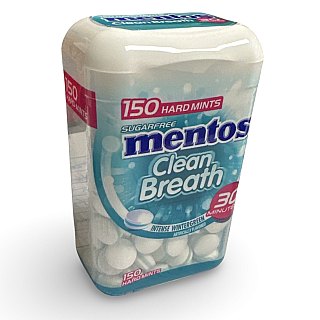
Wintergreen is a different compound again — methyl salicylate — which is
related to aspirin and is why wintergreen reads as medicinal to a lot of
people. It is closer to root beer than to mint, chemically speaking.
Breath freshening: what works and what only feels like it
Worth being straight, because this is the reason most mints get bought.
Masking is real but brief. A strong mint covers an odour for as long as
the flavour lasts, which is typically a few minutes.
Saliva is doing more work than the mint. Anything that gets you salivating
clears the mouth mechanically. Sugar-free mints that are slightly acidic
stimulate saliva more than sweet ones.
Sugar-free matters here. A sugar mint feeds the bacteria producing the
odour in the first place, which is a self-defeating cycle. For breath
specifically, sugar-free is a genuine improvement rather than a diet claim.
We are not going to make dental claims beyond that — the useful advice is
that a mint is a short-term cover, not a substitute for anything.
Format changes the experience more than flavour
Compressed tablets dissolve slowly and deliver a long, mild cool. Best for
duration, weakest for intensity.
Hard boiled mints last longest of all and give the most sustained flavour,
but they are slow — several minutes of commitment.
Chewable and soft mints are the most intense and the shortest. Everything
arrives at once.
Sticks and rock-style mints are more confectionery than breath product,
and they should be judged as sweets.
The bulk question
Mints are one of the better bulk buys in confectionery, for a straightforward
reason: they are almost entirely sugar or sweetener with a volatile oil, no
fat to go rancid, and very low moisture. Kept sealed and dry they last a long
time.
The failure mode is the same as all hard candy — humidity. A tin left open in
a damp kitchen goes tacky and the pieces weld together.
What to keep where
Desk and bag: compressed tablets in a rigid pack. They survive being
carried and portion themselves.
Car: anything sugar-free and sealed. Not chocolate-coated anything.
After dinner at home: hard boiled mints, where duration is a feature
rather than a nuisance.
A dish on a counter: peppermint sticks or wrapped mints, which look
deliberate and do not fuse.
Featured Products in This Article
Taste the snacks discussed above, shipped fast directly from our NY warehouse!
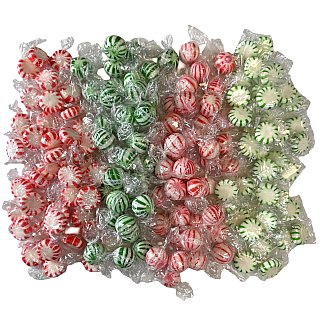
Mint Medley Includes: Red Peppermint and Green Spearmint Starlights and Jumbo Balls Mint Candy, 4 Different Kinds, 2 lbs Total
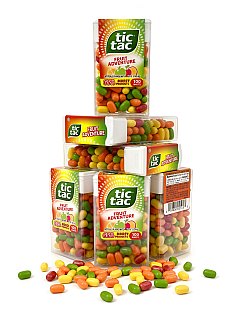
Tic Tac 100 Count Mint Packs – 6 Pack Bundle (600 Total Mints) | Fruit Adventure


