

Wine and snacks is usually presented as a set of rules to memorise. It is
simpler than that: there are three things wine brings to a pairing, and every
useful rule follows from one of them.
The three tools
Acidity cuts fat and salt. A high-acid wine against something rich resets
the palate, which is why sharp whites work with fried food.
Tannin — the drying grip in red wine — binds to protein and fat. Against
something fatty it softens and the wine tastes rounder. Against something
salty or spicy it hardens and tastes bitter.
Sweetness has to at least match whatever it is served with. A dry wine
next to a sweet food tastes sour and thin. This is the single most reliable
rule in the whole subject.
Which snacks go where
Salted and fried — chips, kettle-cooked, savoury extruded snacks.
Sparkling wine or a high-acid white. The acid and the bubbles both cut fat,
and salt makes wine taste fruitier. This is the pairing that surprises people
and it is genuinely excellent.
Avoid tannic reds here. Salt plus tannin is astringent and unpleasant.
Nuts and anything roasted. These sit comfortably with almost everything,
which is why they are on every bar. Fuller whites and lighter reds both work.
Chocolate. Difficult, and the difficulty is sweetness. Most red wine is
drier than most chocolate, so the wine tastes sour by comparison. If you want
this to work you need either a genuinely sweet wine or very dark chocolate
with low sugar.
Sweet baked goods — crumb cake, pastries, snack cakes. The sweetness rule
governs. A dessert wine or something off-dry; a dry wine will be destroyed.
Sour and acidic sweets. Difficult with everything. Acid on acid is
aggressive, and acid against tannin is worse. If a board has sour candy on it,
put it at one end and do not pair it deliberately.
Building a board that works
Aim for contrast within reach, not uniformity:
drunk with.
because once people start on sweet they stop returning to savoury.
that lets people reset.
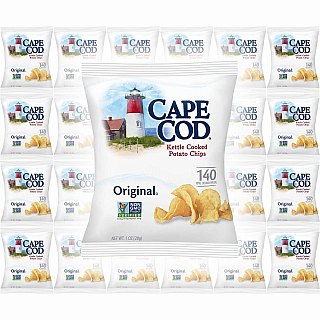
Kettle-cooked chips do the first job better than anything else, because they
survive sitting out and their density stands up to a full-bodied wine:
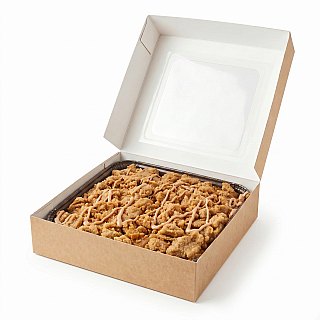
For the sweet end, something restrained rather than intensely sugary:
Practical failures
Serving everything at once. Sweet items on the board from the start
means people eat them first and everything afterwards tastes flat.
Too many strong flavours. Three assertive things compete; one assertive
thing with three supporting ones reads as designed.
Cold wine and cold food. Both mute aroma. Take reds slightly cool rather
than warm, and take snacks out of the fridge before serving.
Ignoring the sweetness rule. It is the one rule that reliably ruins a
pairing when broken, and it is the one people break most often.
If you remember one thing
Match sweetness or exceed it, and use acid against fat. Those two cover the
overwhelming majority of decisions, and the rest is preference.
Featured Products in This Article
Taste the snacks discussed above, shipped fast directly from our NY warehouse!


