

We have written elsewhere about the chemistry of gelling agents — gelatin
against starch against pectin — and how each one produces a different bite.
This is the practical companion to that: what actually differs between a
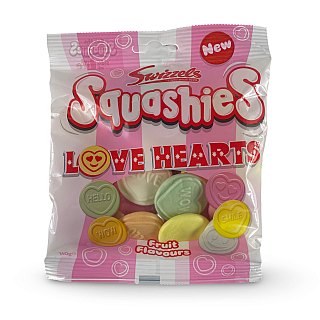
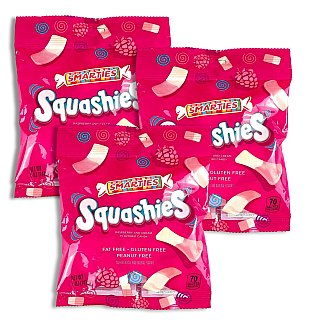
British sweet counter and an American candy aisle, and why the same brand name
can mean two different products.
The categories do not map onto each other
This is the first thing that catches people out. Britain and America do not
divide sweets the same way.
"Gummy" in the US is a broad category covering nearly anything soft and
chewy. In the UK, the equivalent shelf splits into several things that
British shoppers treat as genuinely distinct: wine gums, jellies, chews,
fruit pastilles, foam sweets. Handing a British person a bag labelled
"gummies" tells them less than you would expect.
So a like-for-like comparison is harder than it sounds. The closest British
analogue to an American gummy bear is not the most popular British sweet.
Why the same brand tastes different
Two real causes, neither of them mysterious:
Colourings. European rules have long been stricter about certain synthetic
colours, and rather than carry two formulations many manufacturers reformulate
the European version around fruit and vegetable concentrates. Those carry
faint flavours of their own — beetroot, carrot, blackcurrant — which shifts
the whole profile slightly.
Sweetener base. Glucose syrup and corn syrup behave differently in the
boil and set slightly differently, which affects both the final texture and
how sweet the sweet reads.
The result is two products with one name that genuinely differ. If you have
tasted both and thought something had changed, nothing was wrong with your
memory.
Intensity: sharper versus sweeter, broadly
Generalising, and with plenty of exceptions:
British sweets lean sharper. Higher use of acid, and flavours that are
more often built around a single clear note — blackcurrant, pear drop,
liquorice — that Americans encounter less.
American sweets lean sweeter and more layered, with more sour applied as
a coating rather than built into the body.
Blackcurrant is the clearest example of a genuine cultural gap. It is a
default fruit flavour across British confectionery and almost absent from
American shelves, so it is the flavour most likely to read as "foreign" to a
US palate — not because it is strange, but because it is unfamiliar.
Buying imported without disappointment
Expect smaller bags. UK sweets are commonly sold in 100–150 g units.
Compare per-ounce rather than per-bag or you will think everything is
expensive.
Start with a texture you already like. If you want a long springy chew,
do not begin with a starch-set sweet and conclude the category is not for
you.
Try blackcurrant deliberately, once. It is the single flavour most
likely to change how you feel about British sweets in either direction.
Do not judge on the first piece. Unfamiliar flavour profiles take three
or four before your palate stops trying to file them as something else.
The short version
British sweets are not better or worse. They are sharper, sold smaller, split
into more categories, and built around a handful of flavours America never
adopted. Most disappointment with imported candy comes from expecting a like
for like — and there usually isn't one.
Featured Products in This Article
Taste the snacks discussed above, shipped fast directly from our NY warehouse!

