

Soda is one of the most locally specific things there is. The same brand
tastes different in different countries, and the flavours that are ordinary
somewhere else are unavailable here — not because they failed, but because
they were never launched.
That is what makes an imported drinks box more interesting than it sounds.
Why the same brand tastes different abroad
Three real causes, none of them nostalgia:
Sweetener. Different markets use different sweeteners for cost and
agricultural reasons — cane sugar in some, high-fructose corn syrup in others.
They are not equally sweet at the same concentration and they do not carry
flavour identically. This is the difference people notice most and can rarely
name.
Carbonation level. Set regionally to taste. More carbonation reads as
sharper and slightly more bitter, because dissolved carbon dioxide forms
carbonic acid.
Flavour house. Multinational drinks are often produced under licence with
locally sourced concentrate, and the permitted additives differ by market.
The flavours that never crossed over
This is the fun part of an imported box, and the reason to buy one rather than
a single can.
Fruit sodas are far more common outside the US — melon, lychee, peach, yuzu —
and read as unusual here mainly because the American market settled early on
cola, citrus and root beer and never diversified much beyond it.
Coffee is the other gap. Canned coffee is an everyday product across much of
Asia and a curiosity in the US, and canned sparkling coffee more so still.
What to expect from a sampler
A sampler box is the right way into this category for one specific reason:
imported drinks have a high rate of "I am glad I tried that once." Buying six
cans of something you have never tasted is a much worse bet than buying ten
different things.
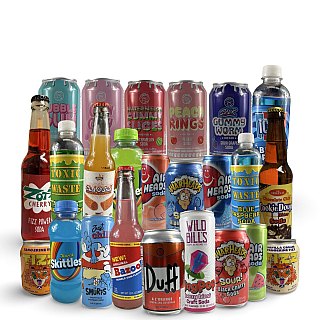
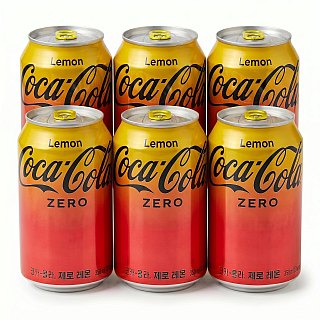
For something more predictable — familiar brands in versions not sold here:
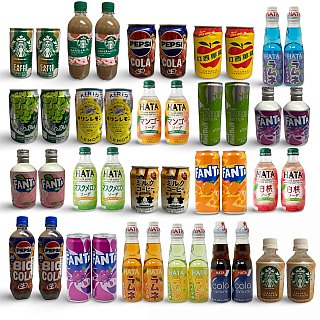
And the Asian drinks category, which is where the genuinely unfamiliar
flavours live:
Tasting them properly
Very cold, but not iced. Cold suppresses sweetness perception, which is
why a warm soda tastes syrupy. Too cold and you lose the aromatics that make
an unfamiliar flavour identifiable.
Glass, not the can. Aroma is most of flavour, and you get almost none of
it drinking through a can opening.
Least sweet first. Sweetness accumulates on the palate faster than
almost anything else, and after a very sweet drink the next one tastes flat.
Water between. Genuinely necessary here in a way it is not with snacks.
Pairing them with what you already have
Imported sodas are more interesting alongside food than alone, because their
flavours are often lighter and more floral than American soda:
Fruit sodas with salty snacks — the same sweet-salt mechanism that makes
chips and chocolate work.
Citrus and yuzu with anything rich or fried; the acid cuts through fat.
- Coffee drinks with sweet baked goods, exactly as you would with hot
Storing them
Cool and dark, and drink them within a reasonable window. Carbonated drinks do
not spoil but they do slowly lose carbonation through the seal, and an
imported can that has travelled a long way has already spent time in transit.
Sooner is genuinely better.
Featured Products in This Article
Taste the snacks discussed above, shipped fast directly from our NY warehouse!
Candy & Fun Drink and Soda Sampler Box – 10 Unique Cans or Bottles | No Duplicates | Rotating Weekly Variety
Imported Zero Sugar Sodas & Drinks 6 Pack | Lemon Coke Zero 12 oz Can

