

A lunchbox is a hostile environment. It gets carried, dropped, left somewhere
warm for four hours, and opened by someone with no patience. Plenty of good
snacks do not survive it, and the ones that do are not always the ones people
pack.
The four forces at work
Compression. A water bottle on top of a bag is the single most common
cause of lunchbox disappointment. Anything with internal air — puffed snacks,
crisps, aerated sweets — is at risk.
Heat. A bag in a warm classroom sits well above room temperature by
lunchtime. Chocolate is the obvious casualty; anything with a soft filling or
a set glaze is the less obvious one.
Moisture. A cold pack, a piece of fruit, or a drink that sweats will
condense onto everything nearby. Crisp things go soft; powdered things go
tacky.
Time. Four to five hours between packing and eating. Long enough for
staling to be noticeable in anything with a cut or exposed surface.
What survives well
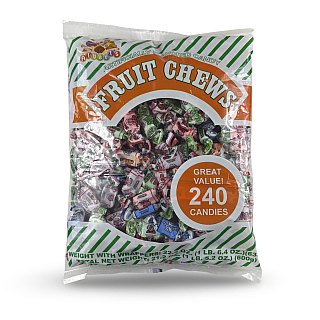
Individually wrapped chews and hard sweets. Effectively immune to all
four. This is why they have been in lunchboxes for a century.
Dense baked goods with a glaze. A honey bun or a snack cake in flow-wrap
handles compression and heat far better than anything laminated or filled with
cream. The glaze seals the crumb against moisture loss.
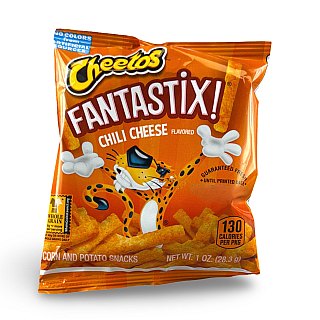
Denser extruded savoury snacks. They resist crushing in a way puffed
snacks do not, and they carry less loose seasoning to transfer onto everything
else.
Anything sold in a rigid single-serve pack. The packaging is doing the
work, and it is worth paying a little more per ounce for it.
What does not
Laminated pastry. Croissants, Danishes, bear claws. The lamination is the
product and compression destroys it. These are table foods.
Chocolate, most of the year. Not a controversial claim, but people keep
trying.
Anything decanted into a bag or box. Removing the manufacturer's seal
removes the freshness barrier, and a home container is rarely airtight in the
way flow-wrap is.
Powdered anything. Powdered doughnuts and cheese-powder snacks both end
with the powder somewhere other than the food.
The lunchbox rules
Rigid things at the bottom, soft things on top. Obvious and routinely
ignored.
Keep the drink separate if you can. Condensation is the quiet ruiner of
crisp textures.
One sealed sweet rather than a portioned bag. Cleaner, fresher, and it
ends the eating naturally.
Nothing that needs cutlery, a plate or two hands.
A note on schools
Rules vary enormously and are worth reading before stocking up for a term:
many schools restrict sharing, some restrict specific ingredients entirely,
and a few restrict packaging. Buying a term's worth of something that turns
out not to be allowed is an expensive way to find out.
Keeping the outer box until the packet is finished means you can answer an
ingredients question without guessing, which is worth the shelf space.
Featured Products in This Article
Taste the snacks discussed above, shipped fast directly from our NY warehouse!

