

The same sweet sold wrapped and sold loose is not the same product. It keeps
differently, it gets eaten differently, and it costs differently per ounce for
reasons that have nothing to do with the candy.
Choosing between them is a real decision, and most people make it by accident.
What a wrapper is actually doing
Four jobs, and only one of them is hygiene:
A moisture barrier. Sugar is hygroscopic. Loose sweets in a humid room
absorb water and go tacky; wrapped ones do not. This is the single biggest
factor in shelf life.
A separation layer. Chews and soft candy fuse together when warm. A
wrapper is what stops a bag becoming a block.
A portion boundary. This one is behavioural. Unwrapping is a small
deliberate act, and it interrupts eating in a way reaching into a bowl does
not. People eat measurably less of a wrapped sweet.
An information carrier. Ingredients, allergens and a date. For anything
shared with people you do not know, this matters.
What you lose by wrapping
Cost per ounce. You are paying for film and for the machine that applied
it. On cheap candy this is a meaningful fraction of the price.
Presentation. A dish of loose sweets looks composed. A dish of wrappers
looks like the end of a party.
Immediacy. For anything meant to be grazed — a counter dish, a scoop-and-
jar display — a wrapper is friction, and friction is the point of wrapping.
It cuts both ways.
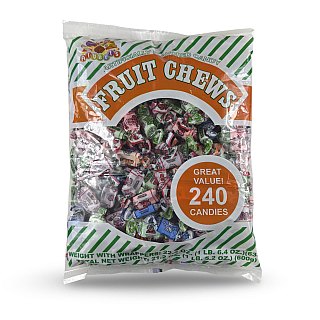
Waste volume. Two hundred and forty wrappers is a surprising amount of
rubbish in a classroom or an office.
The decision, made simply
Buy wrapped when: it will be handled by other people, it will sit out for
hours, it will travel, it needs to last months, or anyone might ask what is in
it.
Buy unwrapped when: it will be eaten within days, by people you know, from
a dish in a dry room, and how it looks matters.
Which candies tolerate being unwrapped
Not all of them do, and this decides more than preference:
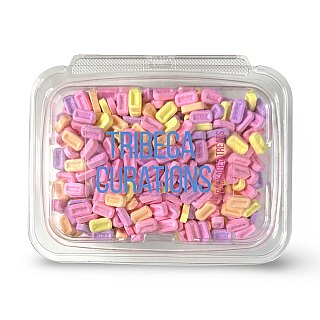
Compressed sugar tablets — excellent unwrapped. Almost no free moisture,
no fat, no fusing.
Hard boiled sweets — good, until humidity finds them. Then they weld
into a single object and there is no recovery.
Chews and taffy — poor. These want individual wrapping and will fuse
in any warm room.
Anything chocolate-coated — poor unwrapped. Handling marks show, and the
surface picks up everything.
The mixed strategy
Most households would be better off doing both, and few do.
Buy the wrapped format for the drawer, the car, the lunchbox and the bowl by
the door — the things that need to survive. Buy unwrapped for the dish on the
side table that gets refilled weekly and looks like it was chosen.
The mistake is buying one format for everything and then being annoyed that it
is wrong half the time.
Featured Products in This Article
Taste the snacks discussed above, shipped fast directly from our NY warehouse!


